Researched by
Based on published specifications, independent reviews and owner reports read on October 6, 2026; not a hands-on test, and not installation advice. Wiring a battery should follow the manufacturer’s manual, and a qualified installer can help if you are unsure.
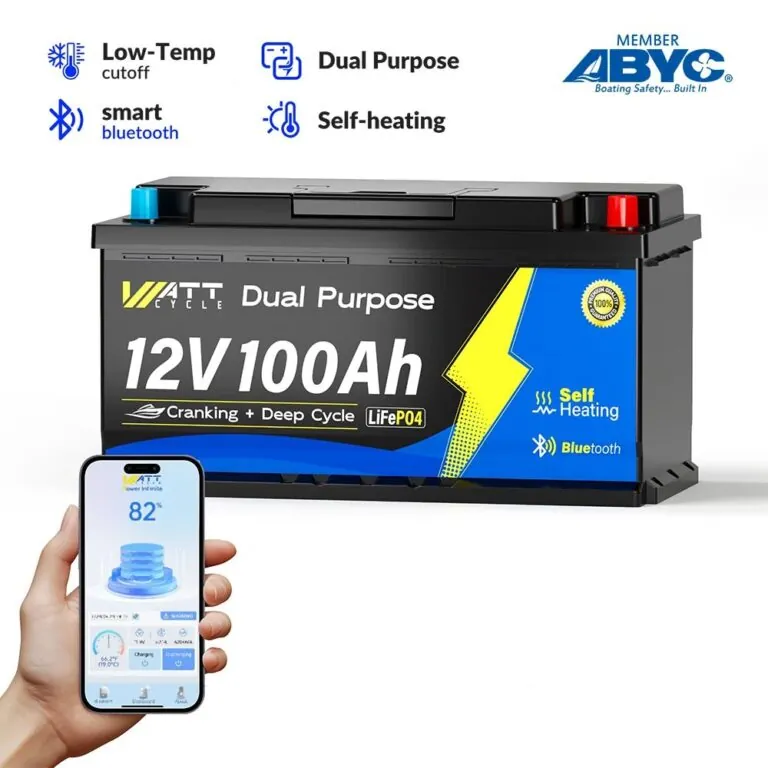
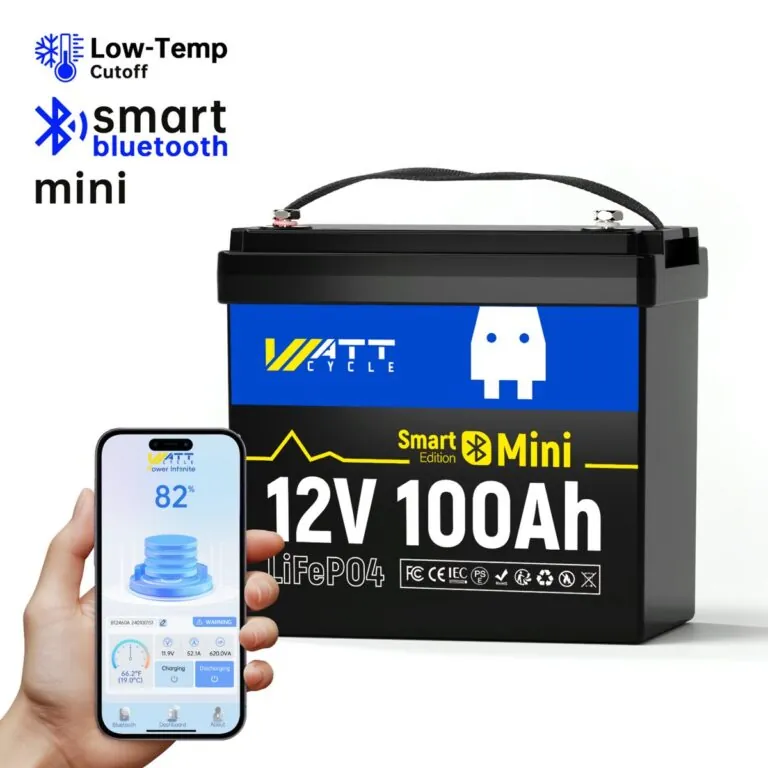
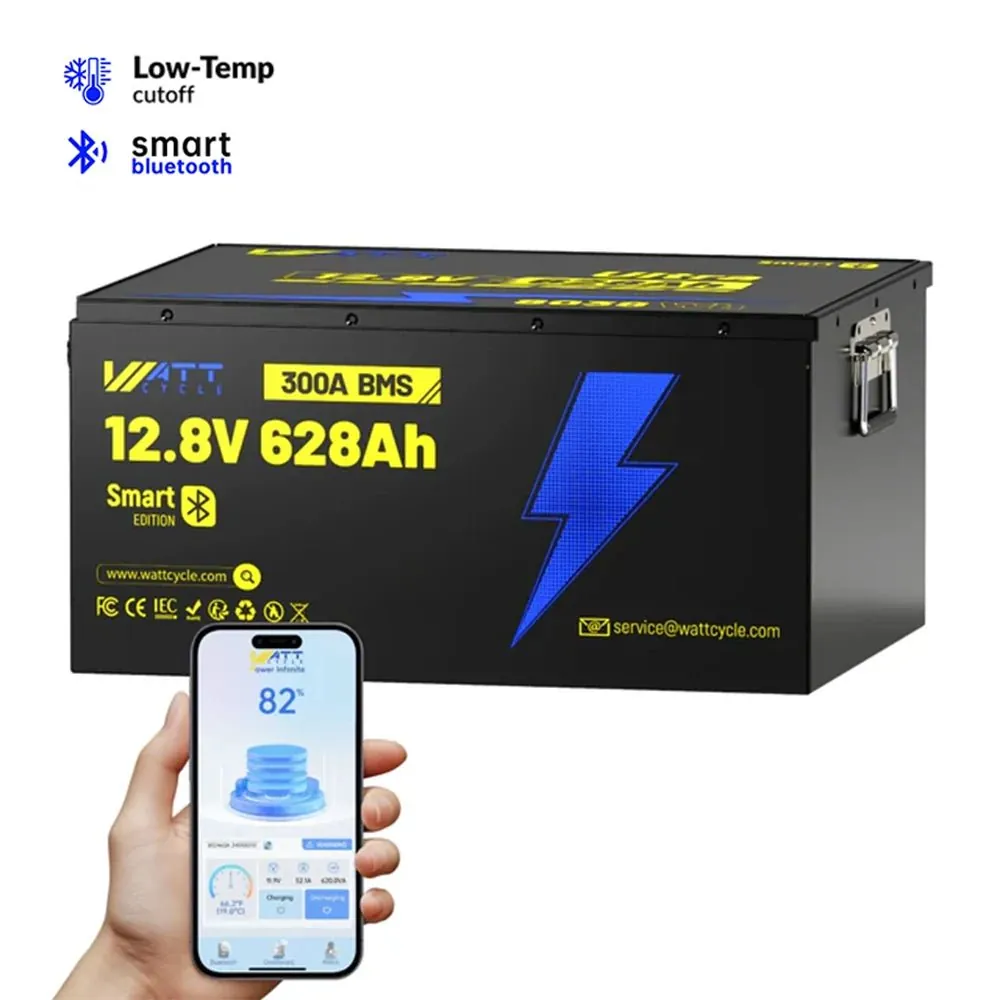
WattCycle sells a lot of batteries, and most buyers only need to answer one question: which one? This guide covers five of the models not reviewed individually here: the big 628Ah Ultra, the Group 24 and Group 31 Pro drop-ins, the 24V 100Ah and the 12V 200Ah Plus. We have separate reviews of the 100Ah Mini, 314Ah Mini Bluetooth and 1200CCA dual-purpose models. Independent sources are mixed on the brand, so each section says what is and is not backed up.
The models at a glance
| Model | Energy | Weight | BMS | App | Best for |
|---|---|---|---|---|---|
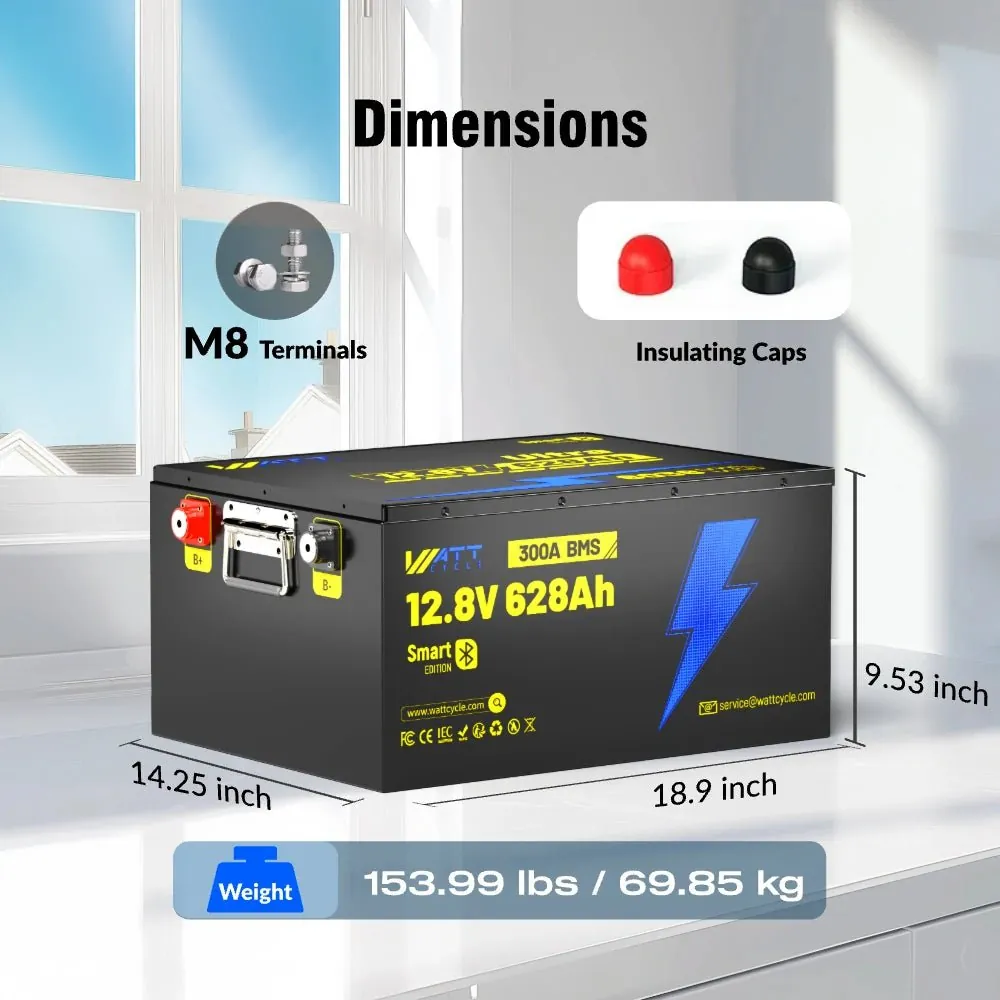
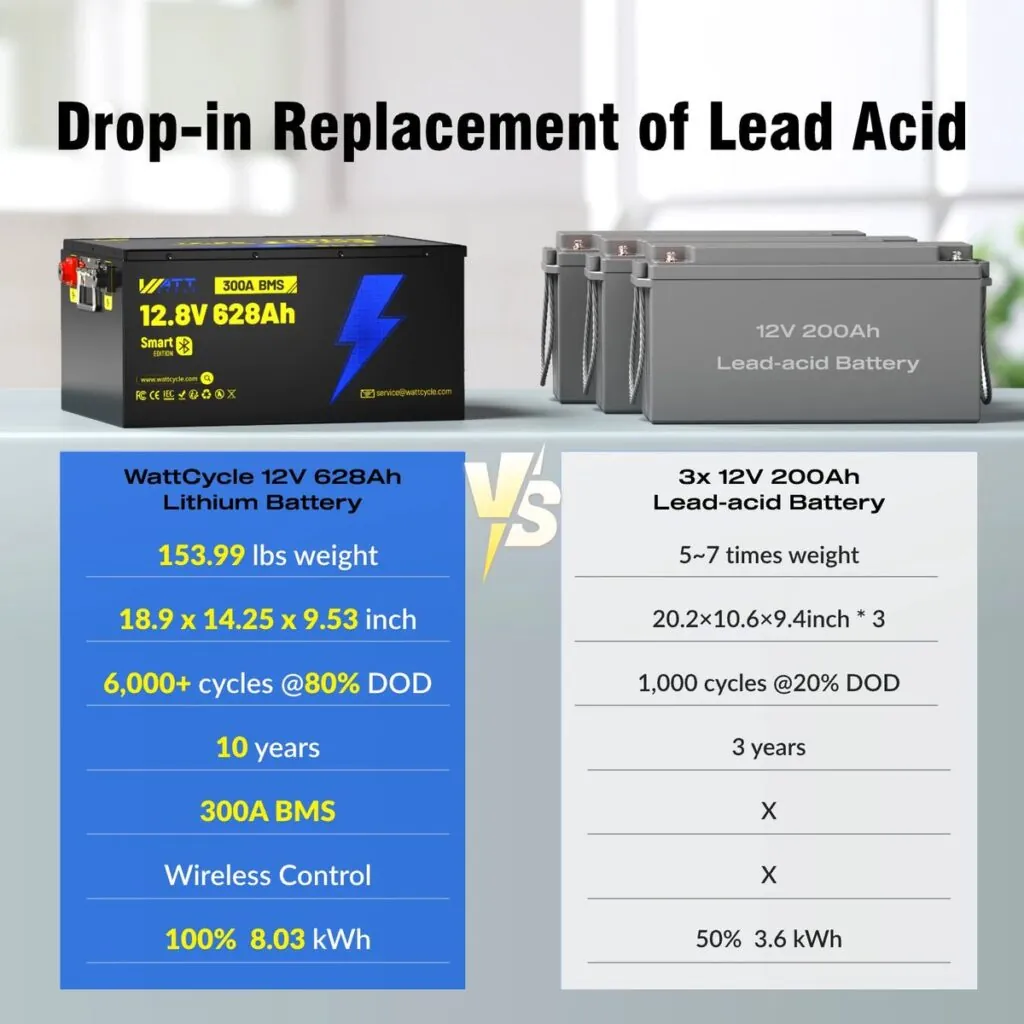
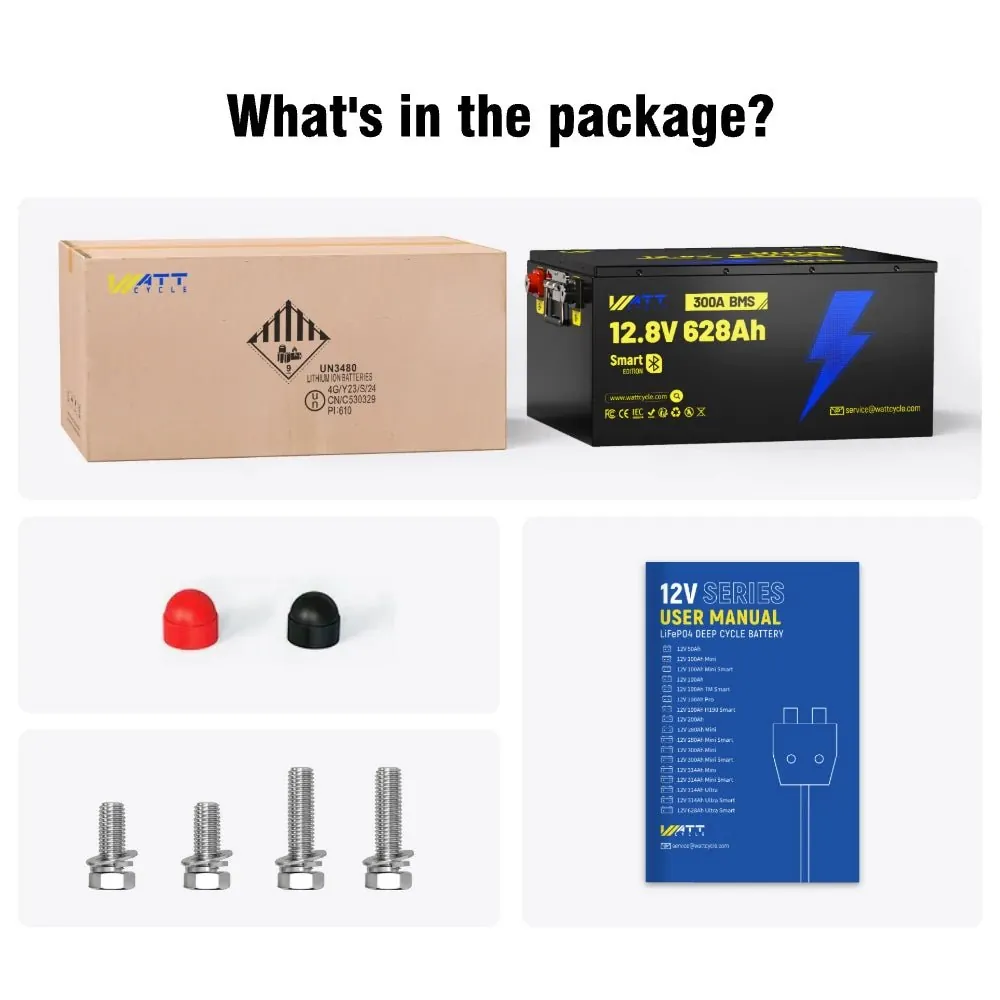
| 12V 628Ah Ultra Bluetooth | 8,038 Wh | About 154 lb | 300A | Bluetooth | Large off-grid and RV banks in one case |
| 12V 100Ah Group 24 | 1,280 Wh | About 23 lb | 100A | No | Lead-acid swap, trolling motors |
| 12V 100Ah Group 31 Pro | 1,280 Wh | 26 lb (text) or 23 lb (graphic) | 110A | No | Group 31 battery boxes |
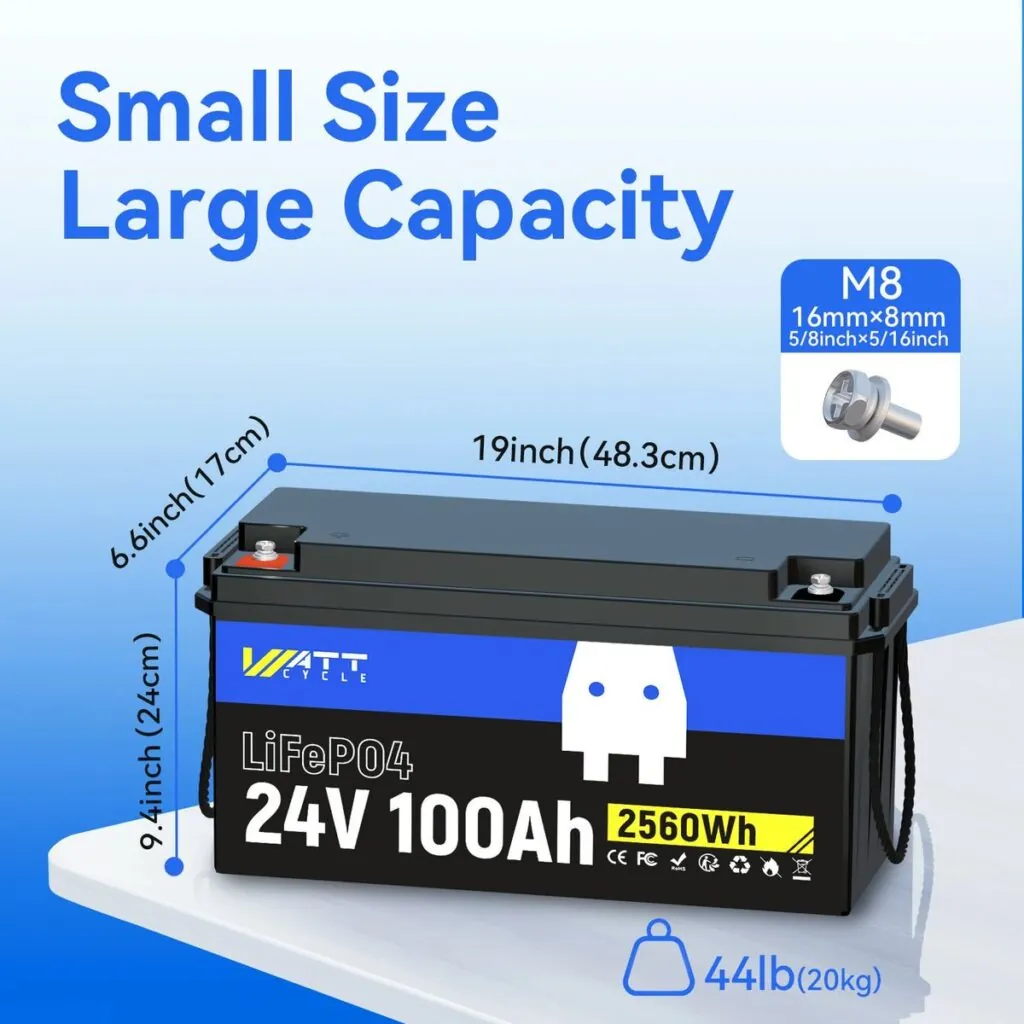
| 24V 100Ah | 2,560 Wh | About 44 lb | 100A | No | 24V trolling motors |
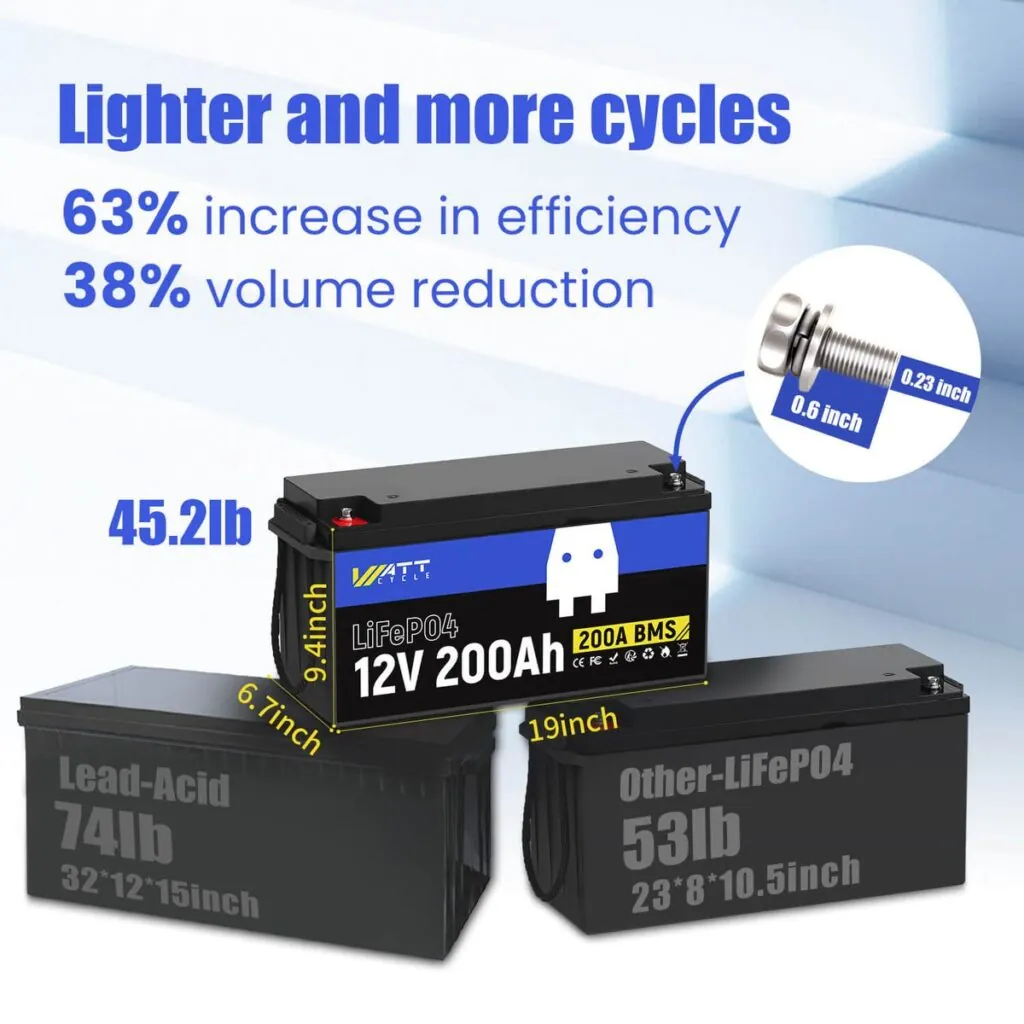
| 12V 200Ah Plus | 2,560 Wh | About 45 lb | 200A | No | Big 12V capacity without an app |
All figures are the brand’s own. Cycle-life claims vary between pages from 5,000 to 15,000 cycles depending on depth of discharge and which graphic you read.
Start with the independent evidence
Independent findings on WattCycle are mixed, so read them before the specs. Clever Solar Power teardown-tested the 100Ah Mini and recommended against it, citing heat limits, cell swelling and weak balancing. Hackaday summarises testing that found customer units with lower-grade internals than a sample sent for review. On the Bluetooth models, owners describe batteries that take turns supplying a load in parallel (DIY Solar Forum parallel thread). The non-Bluetooth models in this guide avoid the app and Bluetooth BMS complaints, but most have no independent test of their own.
12V 628Ah Ultra: one case, 8 kWh
| Spec | WattCycle 12V 628Ah Ultra Bluetooth |
|---|---|
| Chemistry | LiFePO4, EV A+ grade cells (per the brand) |
| Capacity / energy | 12.8V nominal, 628Ah, 8,038Wh |
| BMS | 300A; 3,840W continuous output; 600A for 20s peak (brand) |
| Size / weight | 18.9 × 14.25 × 9.53 in; 153.99 lb (69.85 kg) (brand) |
| Cycle life | Brand materials list both 6,000+ and 8,000 cycles at 80% depth of discharge |
| Protection | IP65; full aluminum internal frame; cooling fins |
| Cold weather | Low-temperature cut-off at -4°F; charging stops below 32°F (brand) |
| Expansion | Up to 4S4P, 128.6kWh (brand) |
| Monitoring | Bluetooth 5.0 app |
This is a single battery with 8,038 Wh, a 300A BMS and 3,840 W continuous output, Bluetooth 5.0 and an IP65 case. The cost is weight: about 154 lb, a two-person lift. The brand lists both 6,000+ and 8,000 cycles at 80% depth of discharge in different places, so treat life estimates with caution. Reviews on YouTube from Lithium Solar and others test it with a large inverter; I have not summarised their results. If you would rather split the risk and the weight, two 300Ah-class batteries cover similar energy.
12V 100Ah Group 24: the simple swap
| Spec | WattCycle 12V 100Ah Group 24 |
|---|---|
| Chemistry | LiFePO4, EV Grade-A prismatic cells (per the brand) |
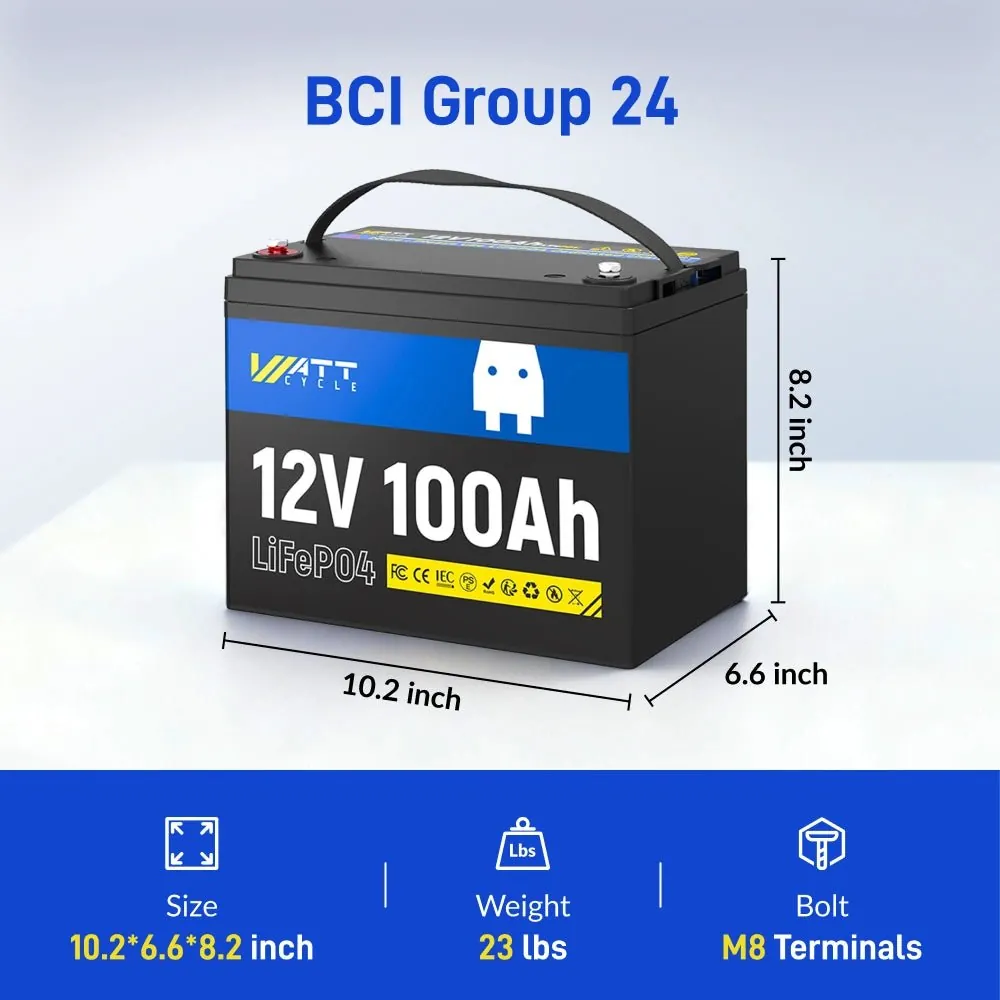
| Capacity / energy | 12.8V nominal, 100Ah, 1,280Wh |
| BMS | 100A; low-temperature cut-off triggers below -4°F |
| Size / weight | 10.2 × 6.6 × 8.2 in; 23 lb (10.5 kg) (brand) |
| Cycle life | 5,000 to 15,000 cycles, depending on depth of discharge (brand) |
| Temperature | Discharge -4°F to 158°F; charge 32°F to 122°F (brand graphic) |
| Expansion | Up to 4S4P, 20.48kWh (brand) |
| Warranty | 5+2 years (brand) |
| Monitoring | No Bluetooth app listed |
A plain 1,280 Wh LiFePO4 battery in the standard Group 24 size, about 23 lb, with a 100A BMS, low-temperature cut-off and a 5+2 year warranty. It has no app, so use a separate monitor for state of charge. The brand pitches it for lead-acid swaps and trolling motors; a YouTube reviewer, goodman_fishing, tested the Group 24 capacity, though I have not summarised the result.
12V 100Ah Group 31 Pro: weight to verify
| Spec | WattCycle 12V 100Ah Group 31 Pro |
|---|---|
| Chemistry | LiFePO4, automotive-grade A+ cells (per the brand) |
| Capacity / energy | 12.8V nominal, 100Ah, 1,280Wh |
| BMS | 110A built-in; disconnects above 300 ± 50A discharge (brand) |
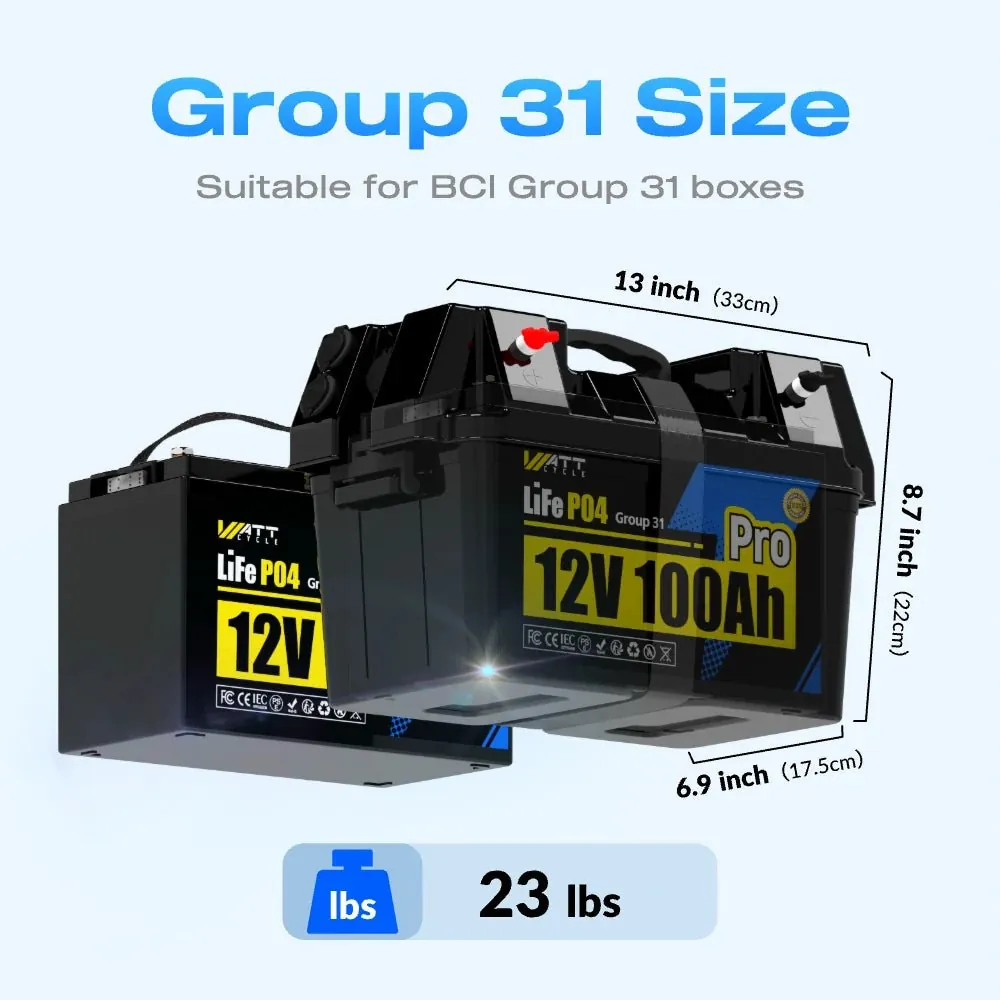
| Size / weight | 13 × 6.9 × 8.7 in; 26.0 lb in the text, 23 lb in a brand graphic |
| Cycle life | Up to 5,000 cycles at 100% depth of discharge (brand) |
| Protection | IP65; low-temperature protection (-4°F to 158°F operating) |
| Expansion | Up to 4 series or 4 parallel, 20.48kWh (brand) |
| Warranty | 5 years, extendable to 7 with registration (brand) |
| Monitoring | No Bluetooth app listed |
Sized for Group 31 battery boxes with a 110A BMS, IP65 protection and a warranty the brand says can be extended to 7 years by registering. One thing to check: the brand lists 26 lb in its text and 23 lb in a graphic. Reviewers on YouTube (Off Grid Basement, DIY Homestead Projects) tested this model, which I have not summarised.
24V 100Ah: one battery for a 24V motor
| Spec | WattCycle 24V 100Ah |
|---|---|
| Chemistry | LiFePO4, Grade A+ automotive cells (per the brand) |
| Capacity / energy | 25.6V nominal, 100Ah, 2,560Wh |
| BMS | 100A |
| Size / weight | 19 × 6.6 × 9.4 in; 44 lb (20 kg) (brand) |
| Cycle life | 5,000 to 15,000 cycles (brand) |
| Self-discharge | About 3% per month (brand) |
| Temperature | -4°F to 158°F operating (brand graphic) |
| Warranty | 5 years (brand graphic) |
| Monitoring | No Bluetooth app listed |
A single 2,560 Wh battery for 24V systems, which the brand pitches at 70 to 100 lb thrust trolling motors, weighing about 44 lb. It is simpler than wiring two 12V batteries in series, but a 100A BMS limits big motors: check the motor’s current draw against the battery rating. An owner update on Finca Life follows a WattCycle 24V 100Ah after some time in use.
12V 200Ah Plus: big capacity, no app
| Spec | WattCycle 12V 200Ah Plus |
|---|---|
| Chemistry | LiFePO4, EV grade A+ cells (per the brand) |
| Capacity / energy | 12.8V nominal, 200Ah, 2,560Wh, 2,560W continuous |
| BMS | 200A |
| Weight | 45.2 lb (20.5 kg) (brand) |
| Cycle life | Brand materials list 5,000+, 6,000 and 15,000 cycles in different places |
| Protection | Low-temperature protection, cell balancing |
| Expansion | Up to 4 in series and 4 in parallel, 40.96kWh (brand) |
| Monitoring | No Bluetooth app listed |
A straightforward deep-cycle battery with 2,560 Wh, a 200A BMS and about 45 lb, with no app, so you need a separate monitor. The product page cites 5,000+ cycles in text and 6,000 or 15,000 in graphics. It is a long case; check dimensions against your battery box. Reviews from Off Grid Basement and Brad Cagle cover it, which I have not summarised.
Which should you buy?
- Replacing a lead-acid in a Group 24 or 31 box: the Group 24 or Group 31 Pro, with a separate monitor.
- 24V trolling motor: the 24V 100Ah if its 100A limit fits your motor.
- Lots of 12V capacity without an app: the 200Ah Plus.
- An 8 kWh bank in one battery: the 628Ah Ultra, if you can handle 154 lb.
- Whichever you buy: test the capacity on arrival, check cell balance and keep the receipt.
Questions people ask
Do the non-Bluetooth WattCycle batteries avoid the app problems?
Yes, they have no app, but they share the brand’s consistency concerns, so test any unit you buy.
Can I connect them in series or parallel?
The brand says up to four in series or four in parallel (4S4P) for most models; follow the manual.
Which is the best WattCycle battery?
There is no clear winner; the independent evidence is stronger for some models than others. Match the model to your box and loads.
My take and score
Research score: 6.3 / 10 (provisional)
Reasonable specifications and many happy owners, lowered because independent tests and reports raise consistency and BMS concerns for the brand, and most of these models have no independent test.
Researched from public evidence, not hands-on testing. Store and service problems are rated separately as the store risk. How scores work
Brand context: Trustpilot listed WattCycle at 4.7/5 from 620 reviews when I read it on October 5, 2026.
Sources
- Clever Solar Power
- Hackaday
- DIY Solar Forum parallel thread
- Trustpilot: WattCycle reviews
- WattCycle product pages (wattcycle.com)
- Brand overview: WattCycle on Jensolnar